11 Nov 2026
Regulatory Coordination of App Interfaces and Payout Verification in Digital Wagering Platforms
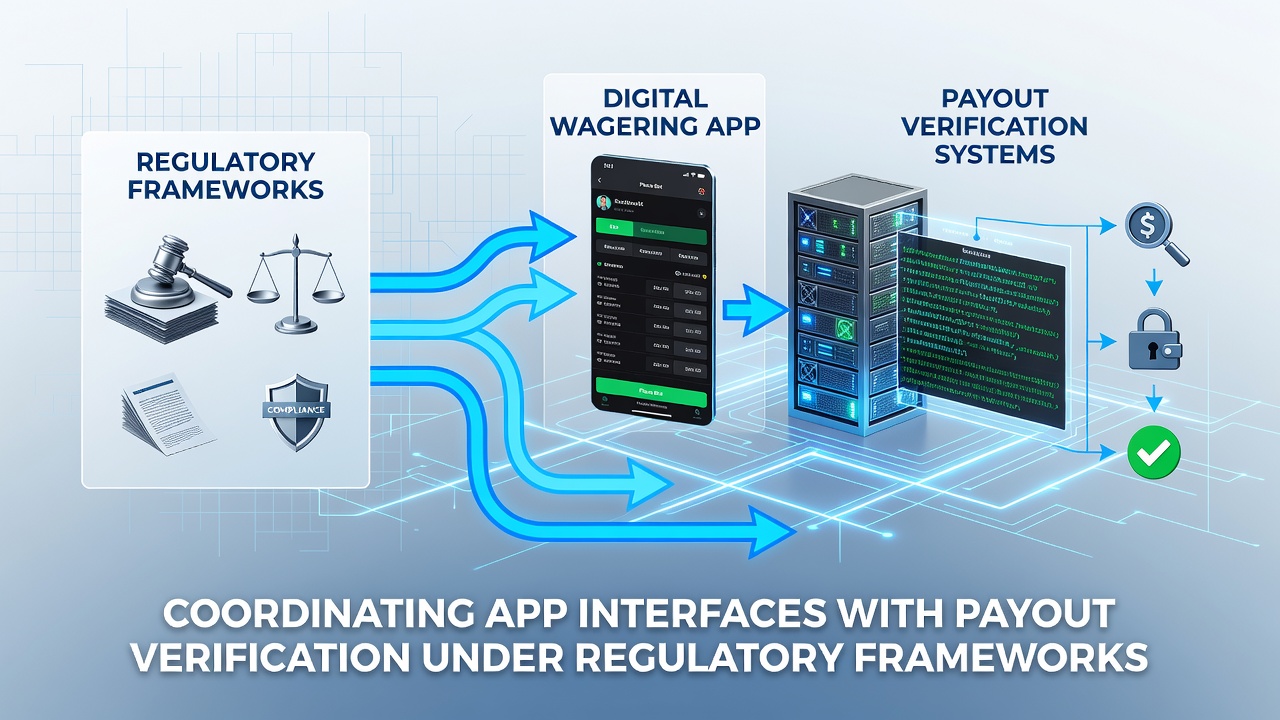
Regulatory bodies establish precise standards that require app developers to embed verification checkpoints directly into user flows, ensuring payout requests trigger automated compliance checks before funds move. These frameworks demand that interfaces display clear indicators for identity confirmation, transaction limits, and status updates, while backend systems cross-reference data in real time to prevent unauthorized releases. Data from multiple jurisdictions shows that such integration reduces processing errors and maintains audit trails that regulators review during licensing renewals.
Core Requirements for Interface Design Under Oversight Rules
Authorities mandate specific visual and functional elements within wagering applications, including prominent fields for account verification status and payout eligibility alerts that appear before any withdrawal request proceeds. Developers must incorporate secure API connections that feed user inputs straight into centralized verification databases, allowing systems to flag discrepancies instantly and halt transactions when needed. In November 2026, updates from state-level agencies highlighted expanded rules on mobile layouts, requiring that verification prompts occupy fixed screen positions to avoid user confusion during high-volume betting periods.
Studies indicate that standardized button placements for confirmation steps and progress bars for verification completion help users understand the sequence, while hidden or secondary menus for these functions violate compliance guidelines in several regions. Observers note that these design constraints create consistent experiences across platforms, reducing the chance that players encounter unexpected blocks at payout stages.
Verification Systems Linked to Regulatory Protocols
Payout verification relies on layered checks that pull information from government databases, financial institutions, and internal risk models, all synchronized through regulated application programming interfaces. Regulations specify that apps cannot initiate fund transfers until identity documents receive digital validation and source-of-funds reviews conclude, with timestamps recorded for every step. Figures reveal that jurisdictions enforcing these linkages process fewer disputed withdrawals because the interface prevents submission until all criteria clear.
Technical Synchronization Methods
Developers implement encrypted data pipelines that transmit verification results back to the app interface within seconds, displaying outcomes such as approved, pending review, or rejected with explanatory codes. Regulatory documents outline required response times and error-handling procedures that keep the user informed without exposing sensitive backend logic. Those who manage compliance platforms report that real-time status feeds, updated every few seconds during peak hours, satisfy audit requirements while supporting operational efficiency.
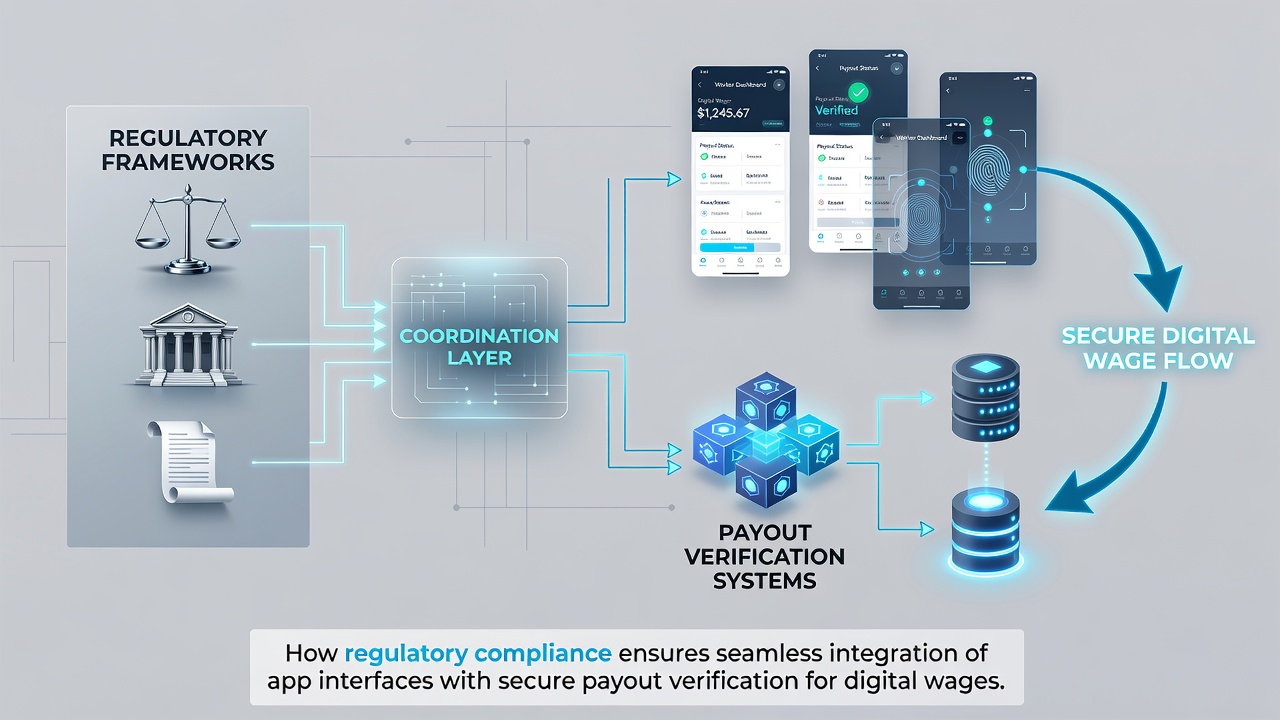
Integration also covers multi-factor authentication triggers that activate automatically when payout amounts exceed thresholds defined by local statutes. The interface must present these prompts without disrupting navigation, and any bypass attempts get logged for regulatory inspection. Research indicates that platforms using these synchronized methods maintain higher approval rates from licensing bodies because transaction logs align precisely with interface activity records.
Regional Approaches to Interface and Verification Alignment
Different oversight entities apply similar principles yet tailor implementation details to local market structures. One approach requires explicit consent screens before verification data transfers to third-party services, while another emphasizes automated cross-checks against national ID registries. According to New Jersey Division of Gaming Enforcement guidelines, apps must embed verification status directly in account dashboards so users see compliance standing at all times. Reports from iGaming Ontario describe parallel requirements that tie payout speed to verified account age and transaction history.
These variations still converge on the principle that interface elements and verification engines operate as a single coordinated system rather than separate modules. Platforms operating across borders therefore maintain modular codebases that swap regional rulesets while preserving core verification logic. Data shows this adaptability supports expansion without repeated full audits when entering new markets.
Implementation Challenges and Observed Solutions
Teams building these systems often encounter conflicts between user-experience goals and mandatory verification steps, yet regulations allow limited flexibility through conditional flows that unlock advanced features only after initial checks complete. Solutions include progressive disclosure techniques where basic verification happens invisibly in the background while the interface surfaces only critical decisions to the user. November 2026 licensing reviews documented fewer delays in jurisdictions that adopted these hybrid approaches compared with earlier rigid implementations.
Testing protocols require simulated payout scenarios run against live regulatory sandboxes to confirm that interface responses match verification outcomes exactly. Any mismatch triggers code revisions before public release. Industry reports note that platforms completing these tests ahead of deadlines experience smoother approval cycles and fewer post-launch adjustments.
Conclusion
Regulatory frameworks continue to refine the connections between app interfaces and payout verification systems, producing standardized yet adaptable solutions that support compliance across digital wagering environments. Ongoing updates ensure that verification remains embedded in every relevant user action while interfaces deliver clear, timely feedback. The result is a technical architecture where regulatory intent translates directly into functional design elements that govern transaction flows from request through completion.