14 Oct 2026
How Licensing Models Govern Live Betting Expansion Worldwide
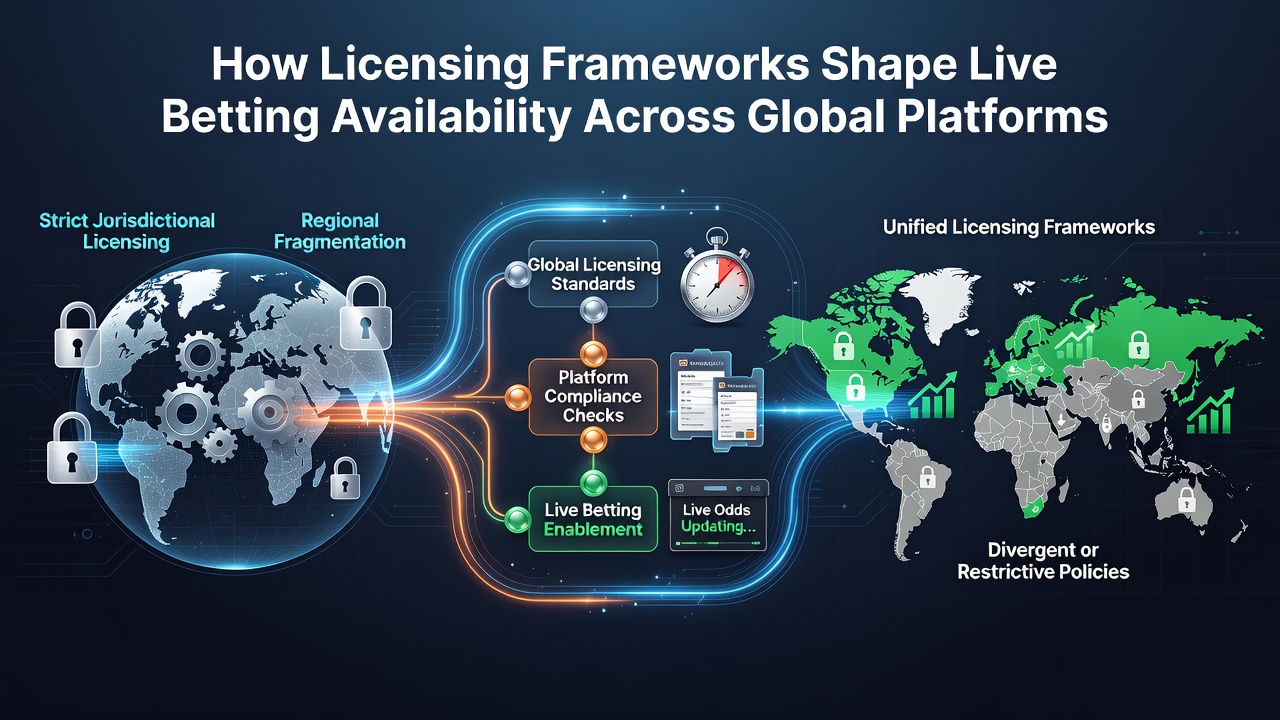
Licensing frameworks establish the parameters within which operators can offer live betting services, and these rules vary significantly by jurisdiction, affecting what users can access on different platforms while dictating everything from real-time data feeds to player verification protocols. Regulatory bodies issue specific permissions that cover in-play wagering, yet the scope of those permissions determines whether a platform can stream odds updates continuously or must restrict certain markets during high-volume events.
Core Elements of Betting Licenses
Operators must secure approvals that explicitly address live betting technology, and most frameworks require demonstrated compliance with latency standards, fraud detection systems, and responsible gambling tools before any in-play products go live. Data from regulators shows that licenses often separate pre-match wagering from live options, which forces platforms to maintain distinct compliance teams and reporting schedules for each category.
Those who've examined licensing documents across multiple markets note that renewal cycles and audit frequencies differ sharply, so an operator holding a five-year European license might face annual reviews in North American states, and these staggered timelines influence how quickly new live features reach users in each region.
Regional Differences in Live Betting Permissions
European frameworks tend to bundle live betting into broader remote gaming authorizations, whereas North American state-level licenses frequently demand separate applications for in-play products and impose stricter geographic restrictions on mobile access. Observers note that Asian markets often tie live betting approvals to land-based partnerships, which limits standalone online platforms from entering those jurisdictions without local ties.
Canadian provinces such as Ontario maintain a centralized iGaming registry that lists approved live betting features, and provincial records indicate that operators must reapply when adding new sports or bet types after initial launch. Australian authorities require similar disclosures, and the communications regulator tracks how license conditions affect real-time betting availability on licensed sites.
Platform Availability Patterns in October 2026
By October 2026 several operators had expanded live betting menus only in jurisdictions where their existing licenses already covered real-time data integration, while other markets saw delays because regulators required fresh technical audits before approving new in-play streams. Platforms operating under multi-jurisdictional licenses could activate live features faster in aligned regions, yet they still faced blackouts in territories where local rules prohibited certain bet types during live events.
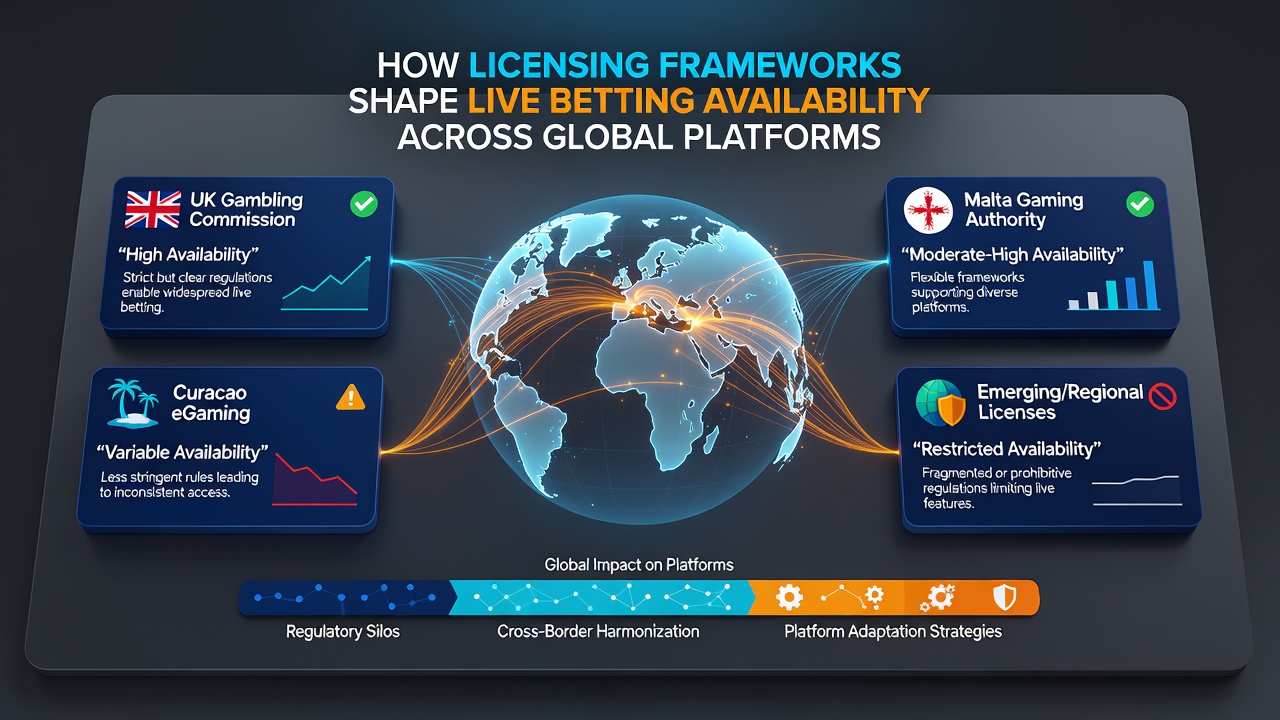
One study revealed that platforms with Malta-issued licenses maintained broader live betting catalogs in Latin American countries that recognize those authorizations, whereas operators holding only U.S. state licenses encountered narrower options when attempting cross-border expansion. Researchers discovered that these differences create visible gaps in market coverage, so users in one country might see dozens of live tennis and basketball lines while users elsewhere encounter just a handful of soccer markets.
Operational Impacts on Global Operators
Live betting demands continuous data connections and rapid settlement systems, and licensing conditions often specify the exact data providers an operator may use along with required backup protocols. When regulators update those conditions, platforms must adjust their supplier agreements or risk suspension of live services, which explains why some international sites rotate available sports based on which licenses remain current.
Figures reveal that operators holding licenses in multiple Canadian provinces alongside European jurisdictions can synchronize live betting rollouts more efficiently than those limited to single-state U.S. approvals, and this coordination advantage shows up in higher live handle percentages within the broader multi-license portfolios. Those who've tracked compliance filings observe that audit costs rise with each additional live betting jurisdiction, which in turn shapes decisions about where to prioritize new market entries.
Conclusion
Licensing frameworks continue to set the boundaries for live betting availability across global platforms, and the specific conditions attached to each license determine both the speed of feature rollout and the range of markets that reach end users. Regulators in different regions maintain distinct technical and reporting requirements that collectively produce uneven access patterns, while operators adapt their expansion strategies to align with the most permissive yet stable licensing environments. As of October 2026 these dynamics remain central to how live betting products appear on screens worldwide.