30 Sep 2026
How App Interfaces Shape Bonus Claim Patterns During High-Volume Live Events
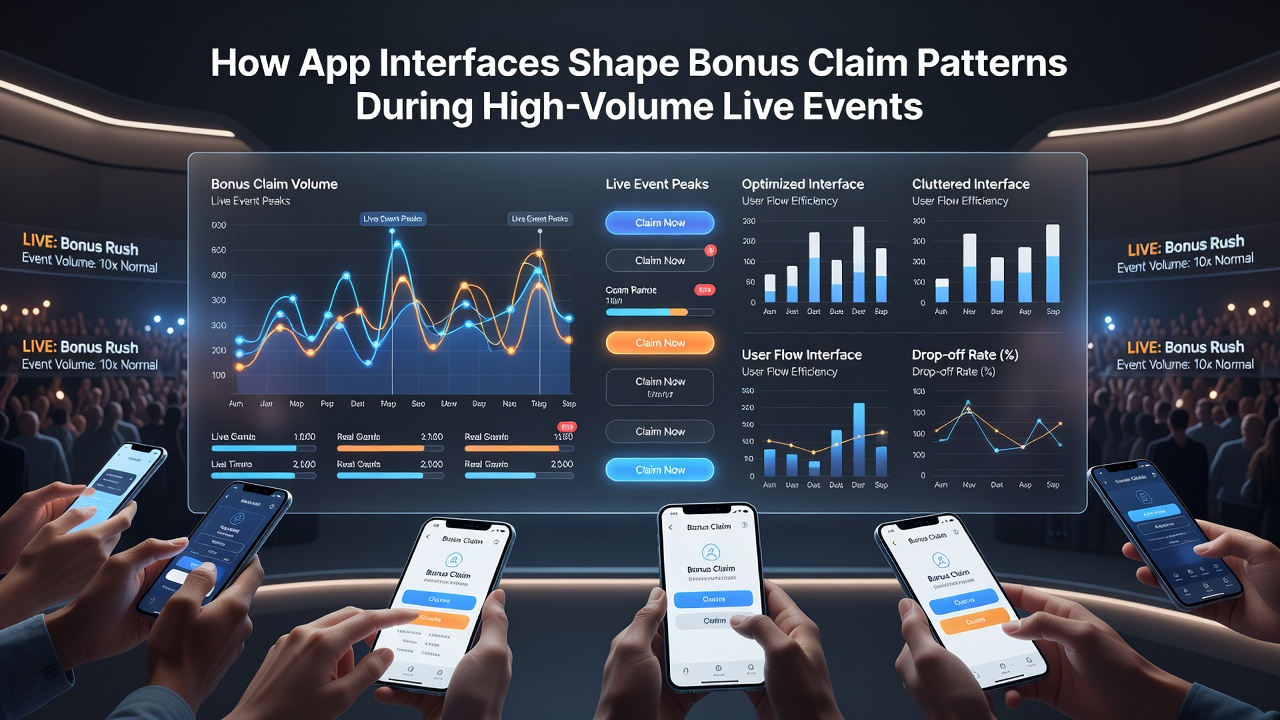
App interfaces play a direct role in how users interact with bonus offers when live events drive sudden spikes in traffic and activity, and researchers tracking user behavior across major platforms have documented clear shifts in claim rates tied to specific design choices. During periods of intense live action such as the opening weeks of the 2026 NFL season in September, the placement of claim buttons, the timing of push notifications, and the visibility of progress indicators all combine to steer patterns that differ sharply from quieter periods. Studies from academic institutions and regulatory data sets show that friction points built into the layout can reduce claims by measurable percentages while streamlined flows increase them.
Notification Timing and Visual Hierarchy
Push alerts and in-app banners often appear at critical moments in live events, yet their effectiveness depends on how the interface prioritizes them against the main betting or gameplay screen. When notifications arrive during peak scoring sequences, users frequently dismiss them without engaging because the visual hierarchy places the live feed or odds display in the dominant position. Data collected by industry analysts indicates that moving bonus alerts into persistent side panels rather than overlay pop-ups raises claim completion rates during these surges, and similar patterns emerged in analyses of March Madness periods where live volume tripled normal traffic.
Observers note that color contrast and button size further influence outcomes, with larger, high-contrast claim elements capturing attention even when users remain focused on the event itself. One research project examining mobile sessions during high-volume windows found that interfaces using subtle animation on bonus prompts sustained user engagement longer than static designs, leading to higher redemption figures without increasing overall session length.
Navigation Depth and Claim Friction
Deeper menu structures create additional steps that users often abandon when events unfold rapidly, and reports from state regulatory bodies document lower claim volumes on apps that require multiple taps to reach the bonus section. In contrast, platforms that surface active offers directly on the home screen or within the live event view see sustained claim activity throughout the duration of the match or game. External data from the Pennsylvania Gaming Control Board highlights regional differences in these behaviors, showing that apps with simplified navigation recorded steadier bonus usage during the 2025-2026 college football season compared with more layered designs.
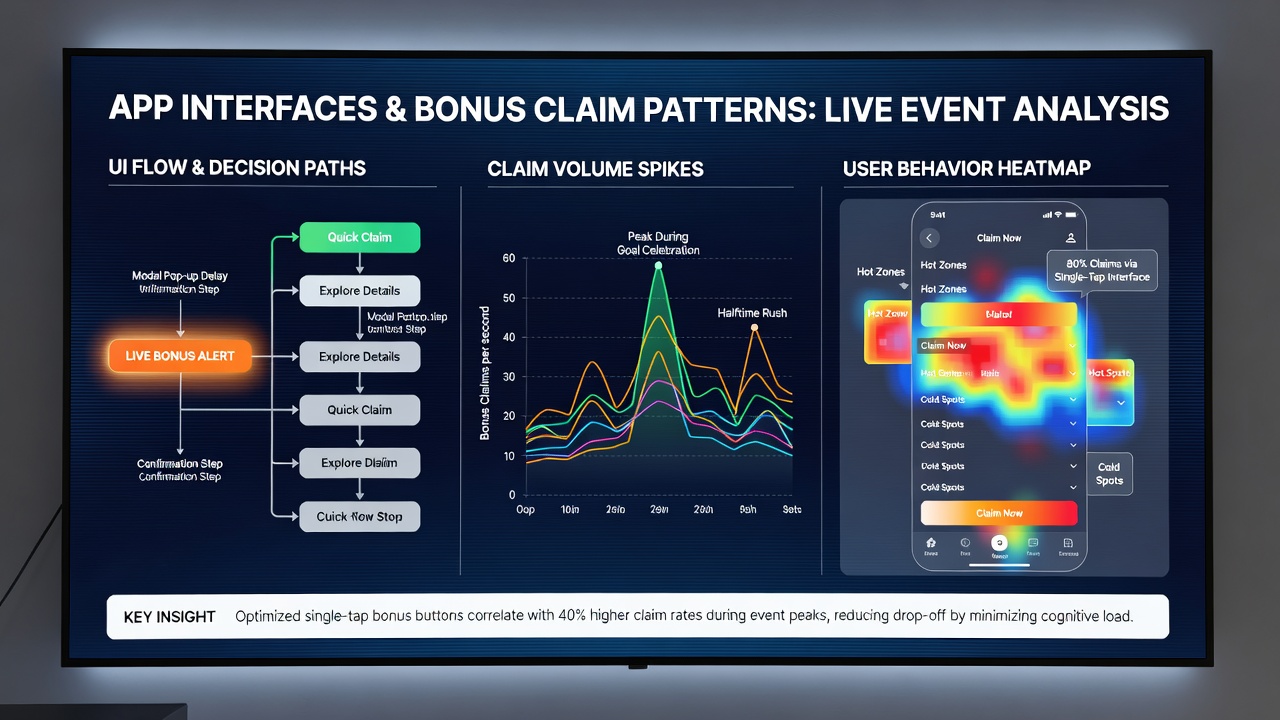
Turns out the placement of confirmation screens also matters, because an extra verification step inserted after the initial tap can drop completion rates when users are simultaneously tracking live odds changes. Researchers at several universities studying digital gambling behavior have recorded that removing secondary confirmations during live windows increases successful claims by double-digit margins in controlled tests, while maintaining the same security protocols outside those periods.
Real-Time Personalization Elements
Dynamic elements that adjust based on user history and current event context further shape claim patterns, and platforms employing machine learning to surface relevant bonuses report higher engagement when these features activate during high-volume stretches. According to findings published in industry reports, users who see personalized bonus suggestions tied to the specific live event they are watching complete claims at elevated rates compared with generic offers. Yet the same studies reveal that over-personalization can trigger fatigue if the interface refreshes offers too frequently, causing users to ignore prompts altogether.
What's interesting is how these patterns vary by device type, with tablet users showing different claim behaviors than smartphone users because screen real estate allows simultaneous display of both live content and bonus modules. Data sets from Canadian provincial regulators indicate that cross-device consistency in interface design helps stabilize claim rates across user segments during events that span multiple time zones.
Conclusion
Interface decisions around notifications, navigation, and personalization collectively determine how bonus claims unfold when live events generate concentrated user activity, and evidence from regulatory filings along with academic research continues to map these relationships in detail. Platforms that align visual and structural elements with the tempo of live action maintain steadier claim volumes, whereas those that introduce unnecessary depth or competing visuals see measurable drops. As live betting volumes remain elevated through periods such as the September 2026 NFL schedule, ongoing analysis of these design factors provides concrete guidance for operators seeking predictable bonus engagement.